Both the environment and the human child’s biological capacities contribute to the language development process.
For the child, speech becomes a tool for interacting socially, communicating thoughts and emotions, learning new things and solving problems.
While a newborn’s vocalizations include reflexive crying and vegetative sounds, such as sneezing, burping, hiccupping, yawning and coughing, the child gradually starts to practice sounds that resemble speech: squeals, babbling, growling and puffing.
After about six months, the child’s vocalizations increasingly resemble the phonetic characteristics of the language they hear spoken around them daily.
At around six to seven months, transitioning to babbling is an important developmental milestone, as it lays the foundation for later language acquisition.
Children under two years old understand far more linguistic expressions than they are able to produce. In Africa, children experience developmental lags in vocabulary growth.
After the establishment of a sufficient basic vocabulary (30–50 words) and the first word combinations, children begin to inflect words.
It is important to pay attention to storytelling skills, as they are a key predictor of a child’s future academic success.
In language development, there is no clear boundary between normal and atypical development, and difficulties may appear in several different linguistic areas.
Features of language development that warrant monitoring and assessment are described in this chapter.
General guidelines on how to help children with language difficulties are also described in this chapter.
Language develops in context. Young children learn the languages and language varieties to which they are exposed, and the quantity and quality of their early social interactions with language shape their language-learning trajectories. It is accepted that the environment and the human child’s biological capacities contribute to the language development process (Rowe & Weisleder, 2020).
A child organizes their observations and learns new things through language (Vygotsky, 1978; Tomasello, 2003). The desire to connect with others and share things with them strengthens children’s drive to observe the events around them and describe them linguistically (Berk & Winsler, 1995). For children, speech becomes a tool for interacting socially, communicating thoughts and emotions, learning new things and solving problems. Through language, children learn to modify their behaviours, plan their actions and guide them. Language also plays a key role in shaping a child’s sense of self (Bloom, 1993).
Although a young child’s language development is often monitored in everyday life based on when they say their first words, children already possess many ways of communicating and interacting with their environment long before they master spoken language. During the first months of life, a child is oriented towards one-on-one interaction with their caregiver by observing and mimicking facial expressions and imitating vocal sounds, before later becoming interested in objects in their environment and beginning to explore and manipulate them. The foundation for language development is thus already strongly rooted in skills known as prelinguistic communication. Prelinguistic communication skills refer to all the means of conveying messages that a child uses before spoken language becomes the primary mode of communication (Laakso, 2019; Saarinen et al., 2023; Siiskonen et al., 2026).
The basis of prelinguistic communication skills lies in early sensorimotor and cognitive abilities, such as processing spoken language, (working) memory and voluntary motor control. These abilities enable and provide a framework within which interaction skills can develop. For instance, early procedural memories (mental images of repetitive events and the progression of situations) allow for the anticipation of situations and the differentiation of related interactions. These skills, together with an environment that is responsive to the infant’s communicative attempts, form the basis for communication that initially relies on prelinguistic and later on spoken language. Language and communication development thus proceeds as a continuum from prelinguistic development to linguistic skills, and individual differences in early abilities serve as the foundation for later development (Bates, 2004; Rescorla, 2013).
In language development, there is no clear boundary between normal and atypical development, and difficulties may appear in several different linguistic areas. Developmental language disorder is characterized by persistent deficits in the acquisition, understanding, production or use of language (spoken or signed) that arise during the developmental period, typically during early childhood, and cause significant limitations in the individual’s ability to communicate. An individual’s ability to understand, produce or use language is markedly below what would be expected given the individual’s age (American Psychiatric Association, 2022; Bishop et al., 2017; Leonard, 2014).
Therefore, early identification and intervention are essential to support children experiencing challenges in language development. Educators and caregivers play a pivotal role in creating rich linguistic environments in which children can listen, speak and interact meaningfully. Through story-telling, conversations, songs and play, children expand their vocabulary and gain confidence in expressing themselves (Hart & Risley, 1995; Morrison, 2014). The integration of language learning into everyday activities ensures that children develop strong communication and comprehension skills that support all other areas of development (NAEYC, 2020).
Furthermore, language development is deeply tied to cognitive and socio-emotional growth. As children master language, they also develop the ability to think symbolically, reason and engage in perspective-taking (Bruner, 1986; Vygotsky, 1978). Language helps them understand social norms and cultural meanings, forming a foundation for empathy, cooperation and identity (NAEYC, 2020). Thus, fostering language development from an early age not only enhances academic readiness but also promotes holistic development and lifelong learning (Morrison, 2014).
Even a newborn’s or infant’s brain processes speech sounds, and the brain’s electrical responses reflect the biological limits and learning capabilities related to phoneme discrimination (Cheour et al., 1998; Guttorm et al., 2010). A newborn has the ability to receive speech and distinguish language-specific features from other sounds, regardless of the language spoken in the child’s environment. The child also has an innate ability to respond to linguistic stimuli and sensitivity to the prosody characteristic of language, which refers to features related to duration, stress, pitch, rhythm and pauses. The process of becoming attuned to the sounds of their native language occurs within a few months after birth. A child gradually starts to distinguish meaningful features of their mother tongue from one another. Environmental factors, such as the social and cognitive interactions between parents and the child, play an important role in the learning of phonemes. Language development and learning of sign language among deaf children are described in this Read more link.
Gradually, children also begin to produce speech sounds. Hearing and speech perception lay the foundation for learning phonemes and developing language-specific articulation. Early vocal development initially follows a universal developmental path. While a newborn’s vocalizations include reflexive crying and vegetative sounds, such as sneezing, burping, hiccupping, yawning and coughing, children gradually start to practice sounds that resemble speech: squeals, babbling, growling and puffing. Repeated vocalization strengthens children’s vocal cords and the neural regulatory system that controls their functions. Over time, children’s vocalizations begin to resemble a specific phoneme, such as ‘A’ or ‘I’. The imitation of phonemes is the result of noticing auditory differences and the development of the ability to control the movements of the vocal cords. When interacting with adults, children have the opportunity to grasp the speech movements required to produce the sounds of their native language accurately (Tomasello, 2011).
After about six months, children’s vocalizations increasingly resemble the phonetic characteristics of the language they hear spoken around them daily (Oller, 2000). Phonemes that are not part of the surrounding language are gradually eliminated. The foundation of phoneme learning is hearing speech and the differentiation of the speech organs’ functions – children discriminate the language they hear and form their own patterns based on it.
At around six to seven months, most children begin to babble. This is characterized by the repetition of consonant-vowel syllable sequences (‘ma-ma-ma’ or ‘ba-ba-ba’) or varying vowel-consonant sequences. As children start combining different syllables (e.g. ‘ma-pa’ or ‘ma-ga’) and repeating them, the babbling begins to resemble words. Transitioning to babbling is an important developmental milestone, as it lays the foundation for later language acquisition (Oller, 2000). Adults tend to assign meaning to a child’s babbling because it resembles speech-like communication more than other vocalizations. Adults respond to a child’s babbling as if it were real words, and by encouraging the child, they can increase the amount of babbling (Tomasello, 2011).
Vocabulary
Children under two years old understand far more linguistic expressions than they are able to produce. Signs that a child under the age of one understands speech include reacting to their own name, briefly halting an activity when the word ‘no’ is said and searching for their parent when asked, ‘Where is Mommy/Daddy?’. By their second birthday, children are able to clap their hands when asked, wave when told ‘bye-bye’, and follow short commands (‘come here’) and action instructions (‘give the ball to Mommy’). Typically, there is a delay between understanding and producing the first words. Communication through gestures is considered a bridge between understanding and producing language.
During the second year of life, words are initially tied to specific objects. For example, with the word ‘cup’, children may refer to only one particular cup that they use themselves. If children do not have the correct word for a particular object or thing, they may choose a word with a related meaning that they know. For instance, the child might use ‘woof-woof’ to refer to all animals, but if asked to choose ‘woof-woof’ from a group of toy animals, they will select the dog. Thus, at the level of understanding, a specific word represents a specific concept for the child (dog), but in production, the word can represent the entire category to which the concept belongs (animals).
In the Finnish project Child Language Development and Familial Dyslexia Risk (JLD), the development of the same children was followed from birth to school age (Lyytinen, 1999; Lyytinen et al., 2004). The study showed that the acquisition of first words progresses slowly and takes several months. A rapid growth phase in productive vocabulary begins at around one and a half years of age, when a child’s total vocabulary consists of approximately 30–50 words. However, there is considerable individual variation in the number of words across children. Some 2-year-olds have a vocabulary consisting of only a few words, while others of the same age already have a productive vocabulary of several hundred words (median 250 words). Typically, a three-year-old eagerly learns new words. By the age of six, children have a vocabulary of over 10,000 words. Not all children show a rapid vocabulary growth phase, as some acquire words more steadily with age. Professionals working with children often have to consider the significance of high individual variation in early speech development for later language development and the learning of reading (Lyytinen, Eklund, & Lyytinen, 2005; Torppa et al., 2010). The results of longitudinal studies show that speech comprehension, along with production, is an important predictor. Comprehension difficulties combined with delayed speech are more likely to predict a lasting delay at the age of 2–2.5 years than limited speech production alone.
In Africa, children experience developmental lags in vocabulary growth. While most African children reportedly acquire their first 50 words between 18 and 24 months (Southwood & van Dulm, 2015), studies indicate significant variations in vocabulary development. For instance, Alcock et al. (2015) found that 30% of Swahili-speaking toddlers had an average of 100 words by age 2, while their Finnish peers averaged 250 words. The authors linked this gap to limited exposure to picture books and fewer interactions involving child-directed speech. Furthermore, research has indicated that children exposed to multiple languages during critical periods of language development face delays. A study involving Akan, Ga, and English-speaking children found notable vocabulary growth delays across all languages compared to their monolingual peers (Owiredu et al., 2021), with children in rural areas at even greater risk (Holden et al., 2017).
How children learn grammatical variations in languages
After the establishment of a sufficient basic vocabulary (30–50 words) and the first word combinations, children begin to inflect words (Bates & Goodman, 2001) (say, says and said; give, gave and given). Every language has its own morphological rule system, according to which words are inflected, derived and combined.
The acquisition of inflected forms progresses in stages. Not all forms are mastered at once. A child’s first inflected words are not randomly selected; they represent stable, easily identifiable vocabulary that frequently appears in spoken language, and they correspond to basic patterns of certain linguistic forms (e.g. ‘give’ and ‘water’). These limited examples, which form the foundation of grammar, are important because they provide a base from which comparisons, expansions and generalizations of grammatical forms can be made.
Development of sentence structures
Combining words into sentences requires children to use not only their differentiation and combination skills but also more planning than producing context-bound, single-word expressions. Children must differentiate the words needed for expression, inflect them and master the principles that allow them to be combined with each other.
Word combination typically begins around 18–24 months of age (Tomasello, 2011). A child’s first sentences are often telegram-style, lacking case endings, conjunctions, prepositions and many other grammatical elements. The first two-word combinations usually consist of two elements: a core word (e.g. mother, give or take) and another word from the child’s current vocabulary. By combining these, the child can convey the desired meaning to others.
Narrative storytelling skills
A story typically includes the following elements: first, the story’s context is described, then the main character(s), the goal or objective of the story and the actions taken to achieve that goal are introduced. It is important to pay attention to storytelling skills, as they are a key predictor of a child’s future academic success. Children who struggle to understand the structure of a story recall it from memory and use the correct verb tenses more frequently than their peers, who often face difficulties in reading.
Early signs of children’s storytelling can be observed as early as the second year of life. At this stage, children begin to mention individual events in which they have participated with their parents, or they can retell the event through dramatizing. These stories are largely adult-generated, with parents adding details and driving the narrative forward. Children participate in storytelling to the extent that their abilities allow.
Children begin to tell stories independently between the ages of 2 and 3. Between 3 and 5 years of age, stories become longer and more detailed. Three-and-a-half-year-olds typically combine two events in their stories. Four-year-olds’ stories consist of more events, but it is still common for the child to omit events that are important for understanding the story. For example, a child might describe going to the doctor, mentioning a red chair and a yellow pen but fail to mention what the doctor was examining. By age five, storytelling skills have developed quite well. A child of this age can tell a short coherent story with events occurring in the correct chronological order. A six-year-old can already repeat important details, such as who did what, the sequence of events and how the story ended.
In African cultures, storytelling plays a crucial role in educating children and is deeply rooted. In the absence of formal education, storytelling serves as a vital tool for language development, cognitive growth and cultural transmission among young children. These storytelling traditions rely heavily on oral narratives, songs, proverbs and communal participation. They uniquely shape children’s linguistic and social skills. Typically, children are introduced to nightly folktales, which facilitate rapid vocabulary acquisition (Adegbite, 2019), improve narrative sequencing and verb tense usage (Opoku-Agyemang, 2020) and enhance socio-emotional skills through turn-taking, question-asking and inferential reasoning (Mbugua, 2018; Tesfaye, 2022). Furthermore, exposure to praise poetry has been linked to better phonological and metalinguistic awareness (Ntuli, 2021), while engaging in riddle games enhances abstract thinking and metaphor comprehension (Molosiwa, 2017).
However, the tradition of storytelling is waning due to urbanization, as families increasingly turn to television and internet-based edutainment. This shift has negatively impacted language development and contributed to shorter attention spans among children (Ogunnaike & Houser, 2020).
To assess a child’s story comprehension, they are asked to retell a story that was shared with them. How a child retells the story reflects how they understood the events and the flow of the plot, as well as how they remember the details of the story (Kavanaugh & Engel, 1998). However, it is important to remember that factors beyond language skills, such as attention and the relationship with the person telling the story, also affect the child’s storytelling. For example, children tend to tell longer and more complex stories to adults than to their peers. The length of the story also varies depending on the listener’s familiarity: more detailed stories are often shared with unfamiliar adults. Familiar adults often share their own experiences with the child related to the story, which can lead the child to omit parts of the story. Furthermore, children are more precise in recounting their experiences to a friendly and understanding adult than to a distant or uninterested listener.
Parents’ speech styles play an important role in the development of children’s storytelling skills. If parents clarify their children’s speech through questions like ‘who’, ‘what’, ‘when’ and ‘why’, they help direct the child’s attention to cause-and-effect relationships, the chronological order of events and precise language expression. Additionally, when a child is telling a story, it is important for the adult to give the child enough space and time to encourage them to continue. Storytelling to an adult is also valuable because in peer situations, one child may more easily interrupt or talk over another, making it harder for the child to keep the audience engaged and express their ideas. Furthermore, a child’s storytelling skills develop when adults nearby share small stories with the child about things that have happened during the day.
In general, difficulties in storytelling can stem not only from language challenges but also from environmental factors that have not encouraged the child to practice storytelling. Pellegrini and Galda (1998) emphasize that fairy tales read by parents strengthen children’s storytelling abilities. In reading sessions, pictures are often viewed simultaneously while the story is read aloud to the child. The stories in picture books contain imaginary characters and are linguistically rich, with clear sentence structures. Shared reading moments help the child focus on the series of events described in written language, which they will soon begin to practice in shared play with other children. The linguistic structure of early-learned stories is important for learning to read. Shared reading experiences, library visits and the availability of books at home promote children’s academic skills, such as learning to read.
Milestones in children’s language development (Lyytinen, 2019)
7–12 months: The child babbles diversely, attempts to make contact with others and uses gestures to support expression.
1–2 years: The child’s first words appear. Vocabulary grows individually, ranging from a few words to over 200 words. The child understands more words than they can use themselves. The child follows short instructions and requests.
3 years: The child eagerly learns new words and produces word combinations in which words decline. Speech includes a variety of word types, with a growing use of adjectives, pronouns and particles in addition to nouns and verbs.
4 years: The child’s speech is almost completely understandable. Commands, prohibitions and questions appear in speech. The use of adjective comparatives, locational descriptors and verb conjugations increases. Language awareness expands (word and rhyme games).
5 years: The child’s speech includes words from different parts of speech in the same proportion as in adult everyday speech. Pronunciation follows standard language norms. The child masters the basic rules of word inflection and sentence formation. Expressions become more precise:
In time expressions, descriptions of place and location.
In examining the quality of objects and things (size, quantity, colour and shape).
In storytelling skills.
6 years: The child masters over 10,000 words and names objects and symbols fluently. Phonemic awareness develops:
The child gradually realizes that words are made up of separate sounds.
The child detects differences in the sounds of words.
The child learns to combine, remove, add and count sounds.
The child adopts basic interaction skills.
The child focuses on listening to speech and asks questions about what she hears.
The child answers questions and takes turns when speaking.
Language difficulties
In language development, there is no clear boundary between normal and atypical development, and difficulties may appear in several different linguistic areas. Language development difficulties can refer to challenges in managing the phonological system (phonology), word formation (morphology), sentence construction (syntax), meaning comprehension (semantics) and use of language in interaction (pragmatics).
Developmental language disorder is characterized by persistent deficits in the acquisition, ability to understand, production or use of language (spoken or signed) that arise during the developmental period, typically during early childhood, and cause significant limitations in the individual’s ability to communicate. The individual’s ability to understand, produce or use language is markedly below what would be expected given the individual’s age. Language deficits are not explained by another neurodevelopmental disorder, a sensory impairment or a neurological condition, including the effects of brain injury or infection (ICD-11).
In particular, spoken language and its production may be more difficult for children with language disorders, and these difficulties may manifest as naming problems or poor word recall. Phonological processing and linguistic memory are also often weaker, which affects language learning and language skills. Verbal apraxia, which involves difficulties with speech motor skills, and working memory are key problem areas in the context of language disorders.
Grammar difficulties, such as challenges in managing morphology and syntax, can appear particularly in languages in which word inflections are diverse. Children with language difficulties often have a more limited vocabulary and struggle to grasp the multiple meanings of words. Pragmatic difficulties, on the other hand, appear in language use and interaction situations, such as an inability to consider the reactions of the conversation partner or to use language appropriately in context. These difficulties can also involve non-verbal communication, such as gestures and facial expressions.
Memory also plays a role in language difficulties. In particular, regarding working memory, it has been found that language disorders can impair a child’s ability to learn new words and process linguistic information. Procedural memory, related to skill learning, may be particularly vulnerable in children with language difficulties, affecting language development and linguistic functions.
The emergence of language difficulties is a complex process influenced by neurobiological, hereditary and environmental factors. Difficulties may be related to sensory functions, memory functions and motor skills, and they often occur as part of broader cognitive disorders. The early identification of risk factors is challenging, but many children who later experience language difficulties show early developmental delays, such as poor language comprehension or limited eye contact before the age of two. Language difficulties may also be related to other developmental issues, such as motor or attention disorders.
The extent and severity of language difficulties vary and can impact a child’s ability to function and interact in different ways. For example, phonological difficulties can complicate reading and writing, while morphosyntactic difficulties affect the learning of grammar and vocabulary. Additionally, difficulties may be more permanent if they occur later in the developmental stages. In particular, difficulties related to language use and communication may appear in both speech and written language and affect a child’s ability to learn and interact with others.
In early childhood education, it is important to observe and monitor the development of children’s speech and language in everyday situations. The following table summarizes some features of language development that can help consider whether a child may need support in their language development.
Features of language development that warrant monitoring and research (Siiskonen, Aro, & Lyytinen, 2019):
1-year-olds:
The child does not pay attention to their surroundings and does not try to influence it.
It is difficult to establish contact with a child.
The child does not use communicative gestures (e.g. raising hands when trying to be picked up or waving).
The child’s babbling is minimal or one-sided, or it contains few consonants.
In particular, the lack of reciprocity, as well as the minimal and one-sided babbling and sounds, are reasons for closer monitoring.
1.5-year-olds:
The child has few communicative gestures.
The child has no words at all.
The child cannot follow short instructions (e.g. come here, give the pacifier, or take the ball).
In particular, difficulties with understanding, combined with a family history of language difficulties, are reasons for closer monitoring.
2-year-olds:
The child has a vocabulary of fewer than 10 words.
The child does not form two-word sentences.
The child does not follow short instructions or understands them incorrectly.
The child has difficulties recognizing familiar objects and things (e.g. clothes and toys) by name.
The child’s play does not include symbolic actions.
In particular, limited vocabulary and issues with understanding indicate a need for further research.
3-year-olds:
The pronunciation of words is clearly insufficient.
The child has a limited productive vocabulary, with nouns and verbs being the most common.
The use of inflectional forms is scarce.
The child does not follow two-part instructions or understands them incorrectly.
4-6-year-olds:
The child has a limited productive vocabulary (should have hundreds of words from several word classes).
Descriptions of objects and things (size, quantity, shape and colour) are vague or incorrect.
The sentence structures the child uses are simple.
The child has difficulty mastering inflectional forms.
The child cannot describe the pictures shown.
The child has deficiencies in interaction and conversational skills.
How to help children with language difficulties – General guidelines
Children are naturally curious and eager to explore, but they require security and encouragement from adults to venture into new situations. Language development is closely tied to interactions with the environment, and adults instinctively adjust their language to meet their children’s abilities. This includes using simple expressions, repeating key points and expanding on the child’s statements to support their communication (Aro & Siiskonen, 2014).
Supporting interaction
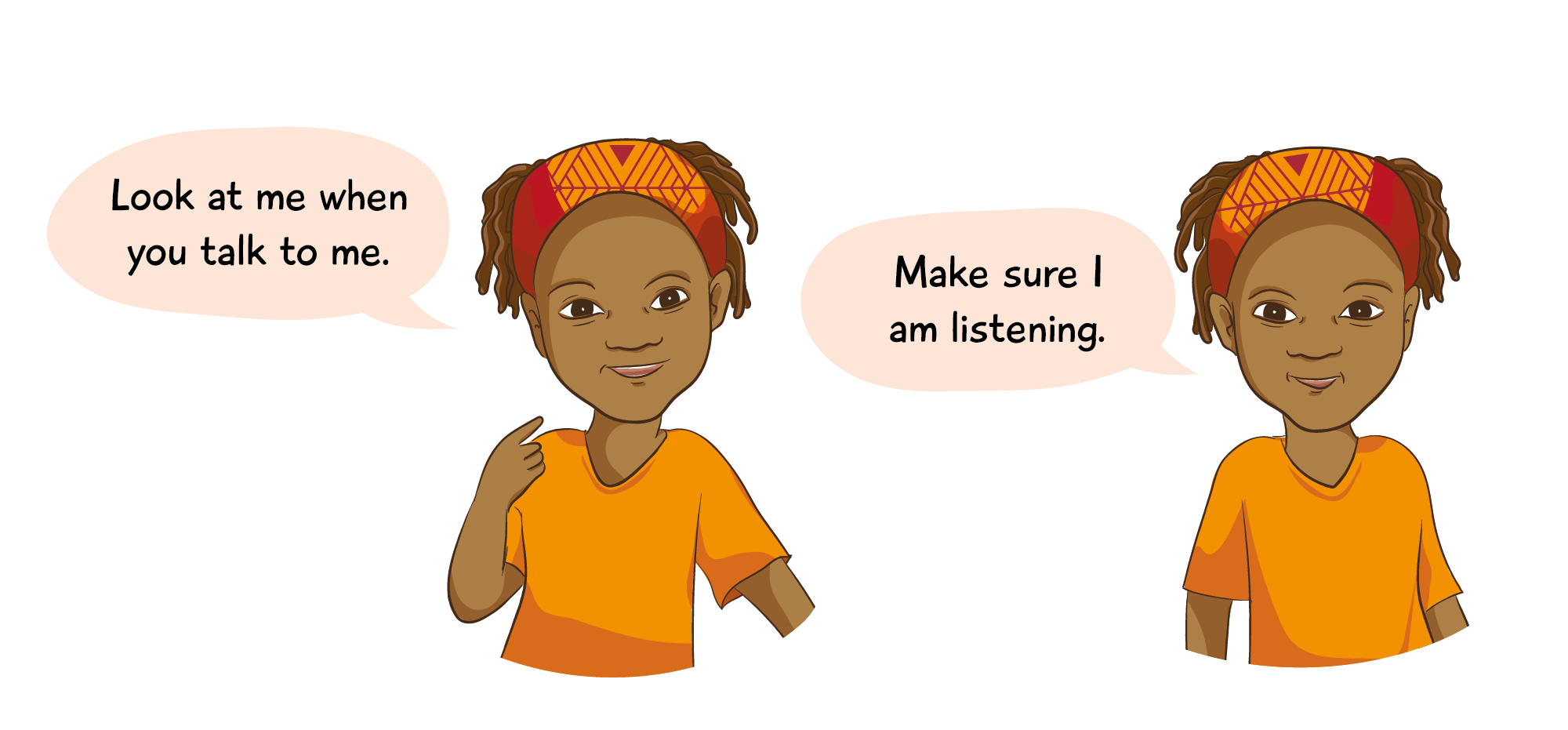
For children with language disorders, adults need to consciously adapt their speech to insure that children can understand and be understood. This might involve adjusting the complexity of language, providing visual aids and maintaining eye contact. Communication aids, such as gestures and pictures, can also help children express themselves and interact with others.
In group settings, in which interactions can be fast-paced, children with language disorders may struggle to join in or express themselves clearly. Adults play a key role in guiding and supporting these children, ensuring that they feel included and understood. Additionally, helping children understand social rules and resolving any misunderstandings is crucial, especially to prevent negative feelings, such as rejection or bullying.
Encouragement and independence
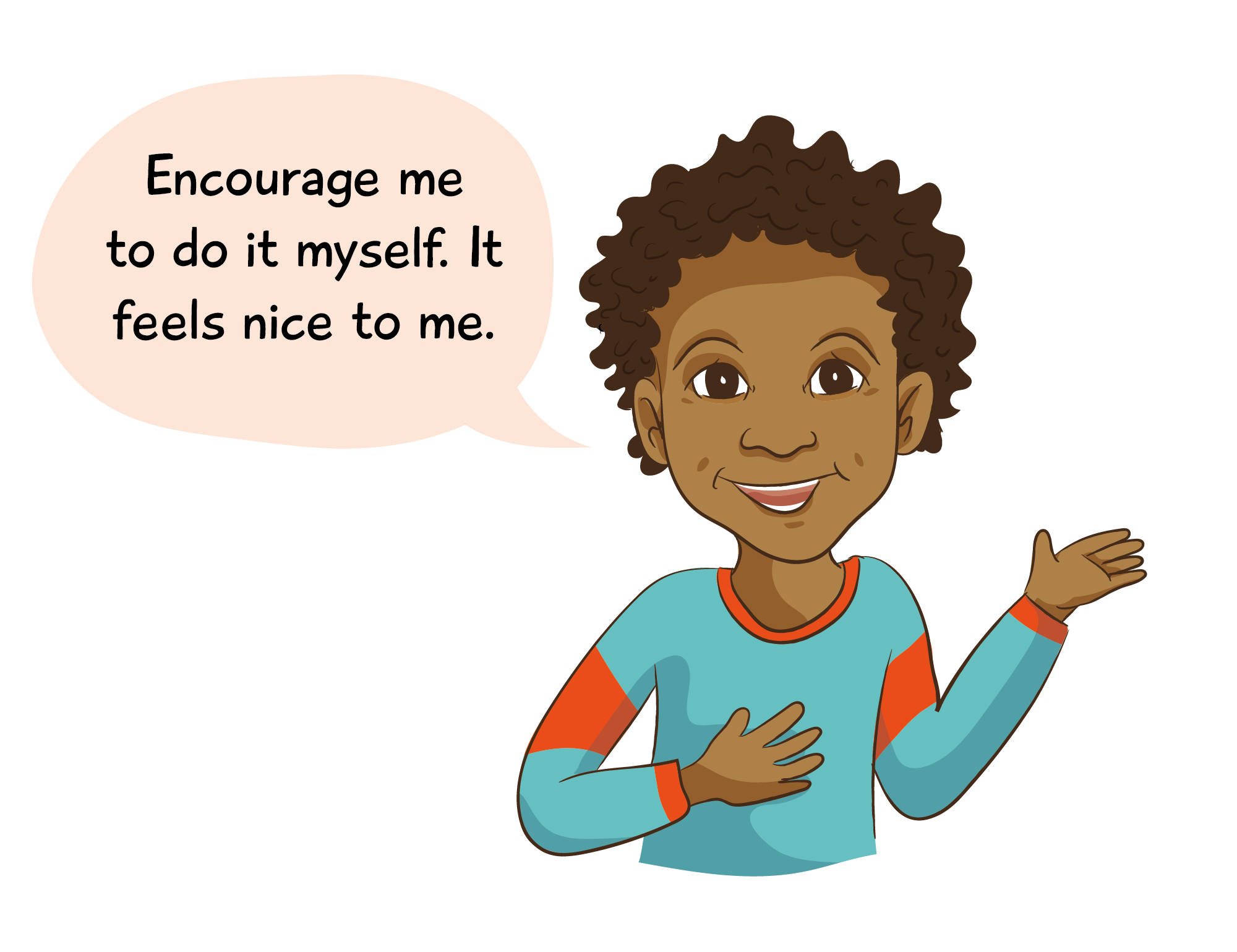
Children with language disorders often require extra encouragement to feel confident expressing themselves. The way they are supported should match their communication methods, providing them with enough time and space to engage. A relaxed, unhurried environment in which the child feels safe is key to promoting interaction and learning. It is important to show respect and interest in children’s messages, highlight their successes and allow them to experience failure in a safe way. This builds self-regulation and confidence. Timely encouragement, right after success, helps children associate their actions with positive outcomes. Understanding when a task might be too difficult or anxiety-inducing allows the adult to provide appropriate guidance, avoiding unnecessary frustration. The aim is to promote independence, initiative and confidence in children’s abilities. Adults must be mindful of setting achievable goals that help the child grow without fostering unnecessary dependence.
Clear daily routine and familiar rules
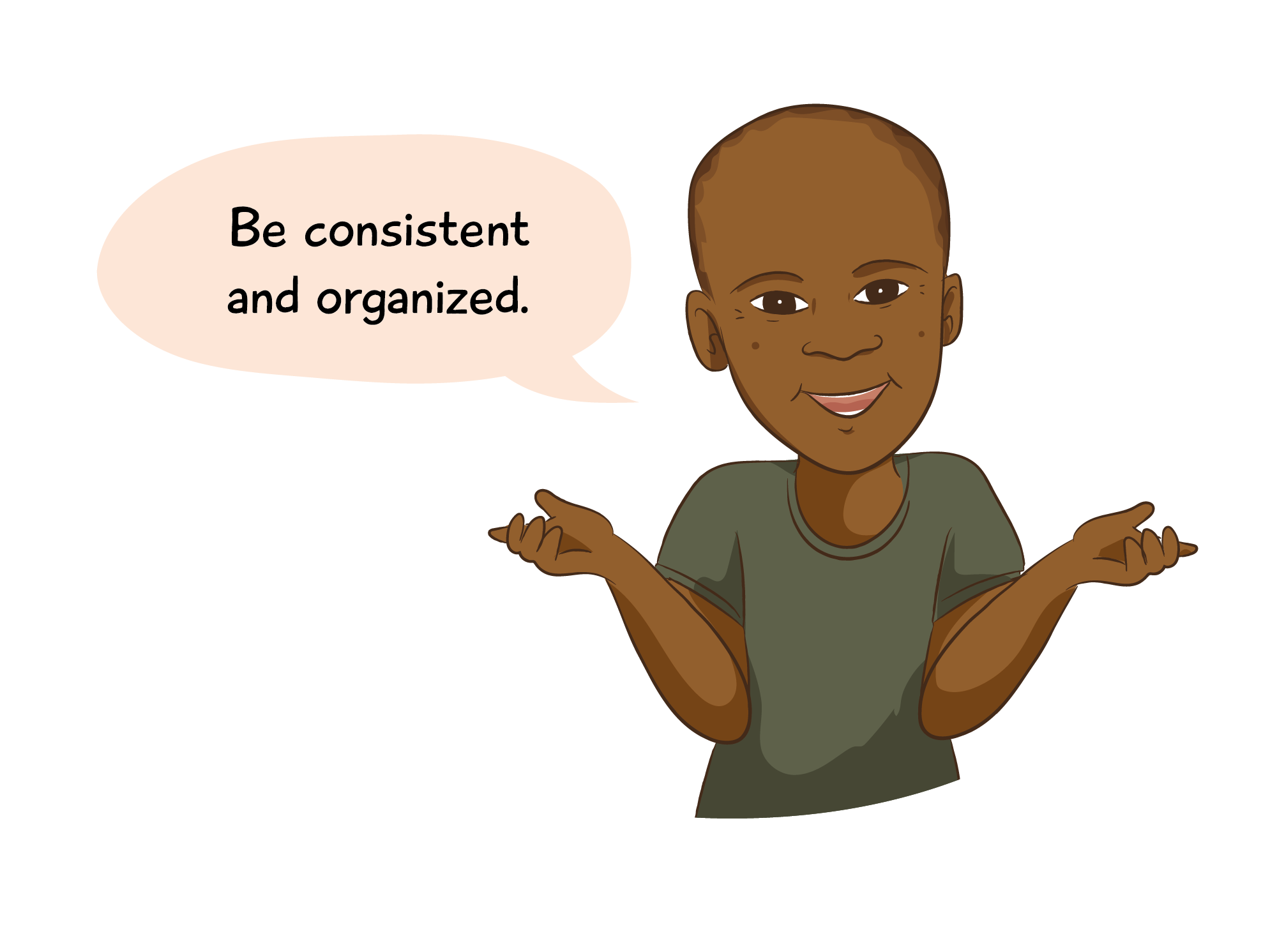
Predictability and routine are crucial for children, especially those with language disorders, as they help create a sense of security and control. Repetitive daily activities, such as routines in daycare or bedtime, help children understand their environments. For a child with a language disorder, routines and repetition aid in grasping time concepts, sequence of events and cause-and-effect relationships. Visual aids, such as pictures representing daily events or routines, can help children understand what happens next and what is expected of them. These strategies support children’s ability to anticipate and structure their day, fostering a sense of control and security. A balance of patience, encouragement and structured routines fosters independence, confidence and effective language development in children with language disorders
Prediction
The prediction of events plays a critical role in reducing a child’s anxiety. If a child is unaware of what is coming next, they may feel insecure and confused, potentially leading to inappropriate behaviour. This behaviour might be misinterpreted as defiance by adults, when in reality, it stems from uncertainty about what will happen. By explaining events in advance, such as ‘Today, we are going to visit Sonja and her mother’, and clarifying expectations, for example, ‘We mustn’t run there because…’, the child can better prepare for new situations.
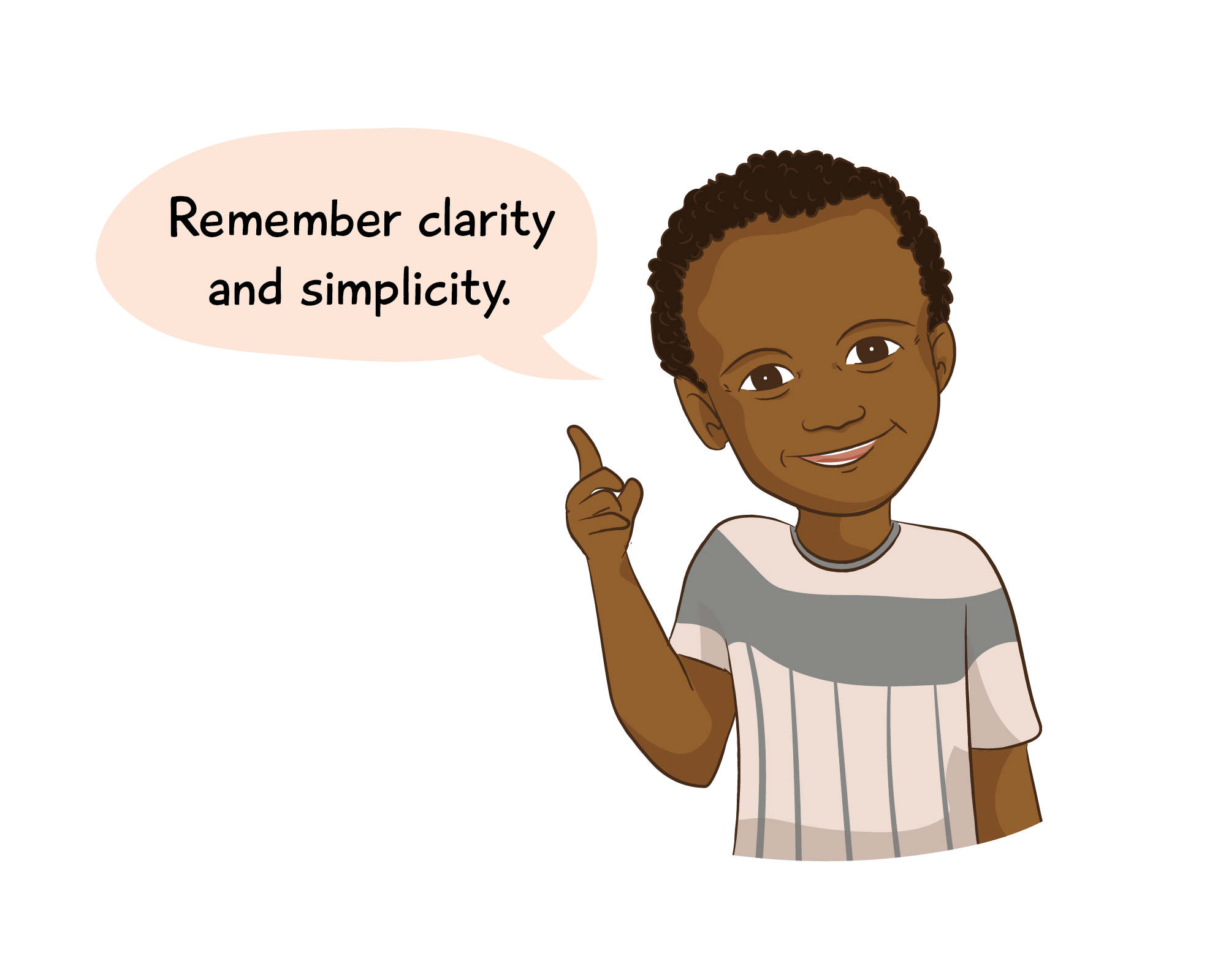
For children with language disorders, explaining expectations clearly and giving them enough time to process information are essential. Adults must ensure that children understand, offering them a chance to ask questions and clarify any confusion. It is important to give concrete explanations that match a child’s level of understanding, especially when it comes to time and event sequencing. Ensuring that children feel supported during new or unfamiliar situations reduces anxiety and helps them face challenges with confidence. Reviewing the phases of a task before starting helps children mentally organize steps and reduces the likelihood of getting stuck. Visual aids, such as pictures or simple models, as well as verbal descriptions of actions, are important tools for supporting children. The instructions should be simple and familiar to avoid confusion and to ensure that children can focus on the main points. When instructions or tasks are too complicated, they can overwhelm children and hinder their learning.
Modelling
Modelling is crucial in supporting children’s learning and development, especially those with language disorders. Children learn by imitating actions, and adults (or peers) naturally provide models that children can copy. This can be in the form of demonstrating actions or providing verbal instructions that guide the child through the process.
Children, particularly young ones, absorb a lot of information through imitation. Adults instinctively model actions for them. For example, when teaching a child to break eggs into a bowl, a mother will not just tell the child what to do; she will show them how it is done and explain what is important. This approach helps the child learn not only by hearing instructions but also by seeing the action and understanding the reasoning behind it. This can be extended to various activities, from cooking to learning new skills.
Modelling is also essential in play. For example, an adult might expand a child’s play by suggesting new scenarios or interpreting emotions: ‘Oh, so now you’re putting the doll to sleep? It must be tiring. Are you giving it some dinner?’ In this case, the adult helps the child learn not only how to express ideas verbally but also how to further develop the play scenario. This type of modelling helps children with language disorders overcome hesitation, build confidence in playing and find ways to express themselves through action or language.
For a child with a language disorder, the challenges can be greater. They may struggle to figure out how to act in play or may have trouble using words or gestures to express themselves. In these cases, modelling actions can provide crucial cues for participation. The adult needs to consider the child’s developmental level and start with simple tasks or small components that are manageable for the child to imitate.
Children with language disorders often struggle to understand purely verbal instructions or to form mental images of what is being asked of them. Modelling can bridge this gap by offering a visual and verbal demonstration of the task, helping the child form a mental image of the action. The next time the instruction is given, the child will have a clearer understanding, thanks to the prior model.
For example, when learning new language skills, adults can model correct pronunciation or proper sentence structure, which supports language development. When these models are paired with repetition, children begin to internalize and practice these language skills more effectively.
Modelling is not just for physical actions or verbal expressions; it is also crucial for teaching thinking and reasoning. When adults speak aloud about their thought processes, children get to see how the mind works. For example, while assembling a puzzle, an adult might say, ‘I think I’ll start with the corner pieces because they’re easier to spot. This one might be a corner piece because it has two straight edges. I wonder where it goes? Maybe it’s the top-left corner because it’s blue, and I know the sky is at the top…’ This helps a child understand how thoughts guide actions and decisions.
Internal speech – the ability to talk to oneself in the mind – is crucial for executive function and self-regulation. Modelling internal speech can support this development, particularly for children with language difficulties or attention problems. Even if a child is not yet able to use language in the same way to guide their own actions, they benefit from seeing how it works in an adult’s behaviour.
Modelling emotional expression is also vital. For example, an adult might express their own emotions aloud: ‘I’m really frustrated that the milk spilled on the floor… Well, I’ll clean it up now.’ This helps the child understand the connection between emotions and actions, teaching them how to deal with feelings like frustration in a healthy way.
Additionally, an adult can model recognizing and expressing a child’s emotions: ‘It looks like you’re really angry right now. Maybe that’s why you don’t want to come to my lap or talk with me.’ This teaches the child to identify their own emotions and communicate them effectively.
In summary, modelling – whether it involves demonstrating actions, teaching reasoning, expressing emotions or using signs – plays a central role in supporting the development of language, social skills and self-regulation in children with language disorders. It provides a foundation for learning and helps children internalize concepts that might otherwise be difficult for them to grasp. Through modelling, adults offer the child concrete examples to imitate, fostering confidence, understanding and independence.
Guided conversation
Guided conversation is a powerful tool for supporting children’s development, especially when they operate within their zone of proximal development (ZPD). The ZPD is the range of tasks that a child can do with the help of an adult or peer but cannot yet do independently. In this context, the role of the adult is to facilitate the child’s learning by providing support, breaking down tasks, offering suggestions and guiding the child towards finding solutions on their own.
The goal of guided conversation is not to simply solve problems for the child but to encourage independent thinking and problem-solving skills. When children are given the right level of support, they can accomplish tasks that are slightly above their current capabilities. This builds confidence, critical thinking and self-sufficiency.
For example, if a child is working on a puzzle, an adult might help them by pointing out a possible strategy for sorting the pieces without doing the puzzle for them. Over time, the child becomes more confident and able to take on challenges independently.
Peers can also guide each other through tasks. This peer guidance often helps with modelling, as children naturally offer each other advice and share their thought processes. When one child explains their reasoning, it provides a model of how to solve a problem, helping the other child learn from their approach. Peer interaction fosters social and communication skills alongside cognitive development.
For children with language impairments, traditional guided conversations may not be as effective because they might find it hard to consider multiple options or engage in abstract thinking. In these cases, adjusting the conversation style can help. For example, using non-verbal cues (like a ‘think’ gesture) can prompt children to pause and reflect before taking action. Visual aids or concrete models can also be introduced to help them better understand the steps or processes involved in problem-solving.The ultimate goal is to help children become more intentional and independent in their thinking and decision-making, providing space for them to engage with the problem-solving process at their own pace.
Observation, exploration and personal experience
For children with language difficulties, direct engagement with their environment – through observation and hands-on exploration – is crucial for supporting language development. Children with language challenges often struggle with semantic difficulties in connecting words with their meanings. Therefore, it is important to provide tangible sensory experiences that help reinforce connection among words, gestures and their meanings.
Rather than using long verbal explanations, it is beneficial to break down concepts into smaller, manageable parts. For instance, concrete objects, pictures and visual cues can guide children’s attention, helping them focus on the core concept without overwhelming their working memory. These tools can also provide children with concrete examples of abstract concepts, making them more understandable and relatable.
Hands-on sensory learning can be particularly effective for younger children. Physical interaction with materials allows them to engage their senses – such as touch and sight – making it easier for them to understand and retain what they are learning. For example, teaching phonemes (the sounds that make up words) through tactile and visual methods can be very effective. Using a mirror to show the correct mouth movements, or providing finger-spelling as a visual and tactile model, helps reinforce the association between the sound and its representation.
This multisensory approach is grounded in recent research, which shows that when children learn through multiple senses – such as movement, sight and touch – they are better able to make connections between abstract ideas and concrete experiences. Engaging a child’s full sensory system makes the learning process more tangible and memorable.
Personalized learning
A particularly effective way to support language development is to make the learning process personal. Children are more likely to remember concepts that they can relate to their own experiences. For instance, a child may remember the colour ‘red’ more easily if it is associated with their favourite red toy or dress. By making the material relevant to their own life, a child’s ability to retain information improves.
Repetition
Repetition is a key element of learning, especially for children with language impairments. They may need more practice to fully internalize new concepts. Repetition helps reinforce the connections between words and meanings. However, it is essential to use a variety of teaching methods to keep the learning process engaging and to prevent children from feeling frustrated or bored.
Incorporating different methods – such as hands-on activities, visual aids, songs and games –can help children stay interested while also reinforcing the material. By repeating these activities in different contexts, children will have more opportunities to practice and internalize the concepts at their own pace. The combination of modelling, peer interactions, sensory experiences and personal connections enables children to develop language skills, problem-solving abilities and confidence. With these strategies, children can progress within their ZPD, leading to more independent learning and stronger language abilities over time.
Children with language disorders often find it challenging to learn sequences, such as the steps involved in dressing, or to understand abstract concepts, such as the names of the days of the week. These children tend to benefit from visual representations of sequences (pictures), as well as repetition to reinforce their learning. For instance, integrating the names of the days of the week into daily routines, such as during morning circle time, and repeating them often helps children internalize these concepts.
Learning environment and tools
The learning environment plays a crucial role in supporting children with language difficulties. While children generally enjoy being surrounded by colours and objects, some children with language disorders can be sensitive to environmental stimuli. For these children, it is important to create a space that minimizes distractions and makes it easier for them to focus on essential tasks.
In particular, background noise can significantly impact children’s ability to understand speech and participate in conversations. To minimize distractions, the environment should be designed to reduce echoes and excessive noise. Another key consideration is the simplicity of children’s workspaces. When only essential materials are visible, children can focus more easily on the task at hand. Labelling and organizing the space in a way that makes sense to children (e.g. with pictures to represent where things go) can help children feel more independent and secure in their environments. Having clearly defined areas for children’s belongings also gives them a sense of ownership and control over their space.
Moreover, it is important that the environment meets the needs of children and adults. For example, adults should have the ability to maintain eye contact, model behaviours and actively engage with children in a way that fosters communication and learning.
When choosing teaching tools and play materials, it is important to ensure that they are developmentally appropriate for the child’s age, language skills and abilities. Materials should also reflect the child’s environment so that they can engage with objects and activities that are meaningful to them.
Finally, to help children stay focused and engaged in a single activity, the number of play materials visible at any given time should be limited. Excessive toys or activities can overwhelm children and make it difficult for them to concentrate on one task at a time.
Generalization
Generalization refers to the process of applying learned knowledge and skills to new situations. It is a critical aspect of development for any child, especially those with language disorders. For a child to successfully generalize skills, they must be able to recognize patterns across different contexts and adapt what they know to fit a new scenario.
However, for young children, particularly those with language difficulties, generalization is often a challenge. A child may be able to use a skill or knowledge effectively in one situation but may struggle to apply it in a different context or with a new person. This is because they may rely heavily on concrete situational cues rather than abstract thinking. For example, a child may know how to set the table at home with their mother but when asked to do the same task at daycare with a different adult, they may have difficulty recalling the correct actions or applying the skill.
For children with language disorders, generalization can be particularly tricky because they often have a more concrete thinking style compared to their peers. They may need clear, direct cues or reminders to help them transfer their knowledge and skills to new environments. This may be why they are more comfortable in familiar situations in which cues are predictable and familiar. For instance, a child may easily understand how to clean up their toys in their own home, but in a new environment with different expectations or people, the child may not apply the same knowledge or skills without explicit guidance. In this case, the child may need assistance recognizing that the same rule or skill can be applied in different settings.
One effective strategy to support generalization is practicing skills in real-life situations. Skills are often easier to generalize when they are practiced in the contexts in which they will eventually be needed. For example:
Social skills: Children learn best when they can practice social skills in environments that mimic real-life situations. This might include pretend play with dolls, acting out scenarios such as parties or setting the table for a meal. These activities give children a chance to practice and understand how to behave in a variety of social situations.
Daily routines: Encouraging children to apply skills learned in specific settings (such as home or school) in other real-life contexts – such as visiting a friend’s house, going to a park or participating in community activities – can make the transition between contexts more natural.
To help a child with a language disorder generalize a skill, it is essential to practice the skill in multiple situations and across different settings. Once a child has mastered a task or learned a concept in one environment, exposing them to various other contexts will help them recognize that the same skills can be applied elsewhere. For instance, a child may first practice setting the table at home and then do so at school or at a relative’s house. This varied practice reinforces the connection between the learned skill and its application in different contexts, helping the child understand that what they have learned can be applied in different circumstances.
Adegbite, W. (2019). The role of Yoruba oral literature in early childhood language development. Journal of African Cultural Studies, 31(2), 234–250.
Alcock, K. J., Abubakar, A., Newton, C. R., & Holding, P. (2015). The effects of maternal psychosocial risk and child stimulation on vocabulary development in Kenya. Infant Behavior and Development, 39, 35–43.
American Psychiatric Association. (2022). Diagnostic and statistical manual of mental disorders (5th ed., text rev.).
Aro, T., & Siiskonen, T. (2014). Millaista on hyvä tuki? (What is good support like?) In T. Siiskonen, T. Aro, T. Ahonen, & R. Ketonen (Eds.), Joko se puhuu. (Can he/she talk yet?), Kielenkehityksen vaikeudet varhaislapsuudessa.(Language development difficulties in childhood), (pp. 188–200). PS-Kustannus.
Bates, E. (2004). Explaining and interpreting deficits in language development across clinical groups: Where do we go from here? Brain and Language, 88(2), 248–253.
Bates, E., & Goodman, J. C. (2001). On the inseparability of grammar and the lexicon. In M. Tomasello & E. Bates (Eds.), Language development: The essential readings (pp. 134–162). Blackwell.
Berk, L. E., & Winsler, A. (1995). Scaffolding children’s learning: Vygotsky and early childhood education. National Association for the Education of Young Children.
Bishop, D. V. M., Snowling, M. J., Thompson, P. A., & Greenhalgh, T. (2017). CATALISE: Identifying language impairments in children. PLOS ONE, 12(7), e0168066.
Bloom, L. (1993). The transition from infancy to language. Cambridge University Press.
Bruner, J. (1986). Actual minds, possible worlds. Harvard University Press.
Cheour, M., Ceponiene, R., Lehtokoski, A., Luuk, A., Allik, J., Alho, K., & Näätänen, R. (1998). Development of language-specific phoneme representations in the infant brain. Nature Neuroscience, 1(5), 351–353.
Guttorm, T. K., Leppänen, P. H. T., Hämäläinen, J. A., Eklund, K. M., & Lyytinen, H. (2010). Newborn ERPs predict poorer pre-reading skills. Journal of Learning Disabilities, 43(5), 391–401.
Hart, B., & Risley, T. R. (1995). Meaningful differences in the everyday experience of young American children. Paul H. Brookes Publishing.
Holden, S., Mwaseba, D., & Nyhus Dhillon, C. (2017). Disparities in early childhood language development in Tanzania. Journal of Developmental & Behavioral Pediatrics, 38(6), 383–391.
International Classification of Diseases 11th Revision (ICD-11). (2022). World Health Organization.
Kavanaugh, R. D., & Engel, S. (1998). The development of pretense and narrative. In O. N. Saracho & B. Spodek (Eds.), Multiple perspectives on play in early childhood education (pp. 80–99). State University of New York Press.
Laakso, M. (2019). Esikielellinen vuorovaikutus ja viestintä ( Prelinguistic interaction and communication). In T. Siiskonen et al. (Eds.), In Joko se puhuu. (Can he/she talk yet?), Kielenkehityksen vaikeudet varhaislapsuudessa.(Language development difficulties in childhood), (pp. 22–50). PS-Kustannus.
Leonard, L. B. (2014). Children with specific language impairment (2nd ed.). MIT Press.
Lyytinen, P. (1999). Varhaisen kommunikaation ja kielen kehityksen arviointimenetelmä. Jyväskylan yliopiston Lapsitutkimuskeskus ja Niilo Mäki Säätiö.
Lyytinen, P. (2019). Kelenkehityksen varhaisvaiheet (Early stages of language development). In Siiskonen, T., Aro, T. Ahonen, T., & Ketonen, R. (Eds.). Joko se puhuu. (Can he/she talk yet?), Kielenkehityksen vaikeudet varhaislapsuudessa.(Language development difficulties in childhood), (pp. 51-71). PS-Kustannus.
Lyytinen, P., & Lyytinen, H. (2004). Growth and predictive relations of vocabulary. Applied Psycholinguistics, 25(3), 397–411.
Lyytinen, P., Eklund, K., & Lyytinen, H. (2005). Language development and literacy skills. Annals of Dyslexia, 55, 166–192.
Mbugua, N. (2018). Oral storytelling and pragmatic language development in Kenyan children. Journal of Child Language Acquisition and Development, 6(2), 78–95.
Molosiwa, A. (2017). Riddles as cognitive-linguistic exercises. International Journal of Bilingual Education and Bilingualism, 20(5), 567–580.
Morrison, G. S. (2014). Early childhood education today (12th ed.). Pearson.
NAEYC, National Association for the Education of Young Children. (2020). Developmentally appropriate practice in early childhood programs serving children from birth through age 8 (4th ed.).
Ntuli, D. (2021). Indigenous oral arts and emergent literacy. Southern African Linguistics and Applied Language Studies, 39(3), 312–328.
Owiredu, C., Amponsah, K. D., & Yankson, S. E. (2021). Multilingualism and vocabulary development. Journal of Multilingual and Multicultural Development, 42(8), 731–746.
Ogunnaike, Y., & Houser, R. (2020). Screen media vs. oral storytelling in Nigeria: Impacts on child language. Journal of Cross-Cultural Psychology, 51(4), 289–305.
Opoku-Agyemang, K. (2020). Ananse folktales and language development in Ghanaian preschoolers. African Studies Quarterly, 20(1), 45–62.
Oller, D. K. (2000). The emergence of the speech capacity. Lawrence Erlbaum Associates Publishers.
Pellegrini, A.D., & Galda, L. (1988). The effects of age and context on children’s use of narrative language. Research in the teaching of English, 22, 183-195.
Rescorla, L. A. (2013). Late-talking toddlers – A 15-year follow-up. In L. A. Rescorla & P. S. Dale (Eds.), Late talkers: Language development, interventions, and outcomes (pp. 219–239). Brookes.
Rowe, M. L., & Weisleder, A. (2020). Language development in context. Annual Review of Developmental Psychology, 2(1), 201–223.
Saarinen, A., Lyytinen, P., Ahonen, T. & Lyytinen, H. (2023). Varhaislapsuus (Early childhood). In L. Pulkkinen, T. Ahonen & I. Ruoppila (Eds.). Ihmisen psykologinen kehitys (Human psychological development). (pp. 34-102). PS Kustannus.
Siiskonen, T., Aro, T. & Lyytinen, P. (2019). Havainnointi, arviointi ja tutkimuksiin ohjaaminen (Observation, assessment, and referral for further examinations). In Siiskonen, T., Aro, T. Ahonen, T., & Ketonen, R. (Eds.). Joko se puhuu. (Can he/she talk yet?), Kielenkehityksen vaikeudet varhaislapsuudessa.(Language development difficulties in childhood), (pp. 121-138). PS-Kustannus.
Siiskonen, T., Ahonen, T. & Määttä, S. (2026). In Kielenkehityksen vaikeudet (Developmental language disorder). In Ahonen, T.,Aro, M., Aro, T., Lerkkanen, M-L. & Siiskonen, T. (Eds.) Oppimisen vaikeudet (Learning difficulties). (pp. Niilo Mäki Institute.
Southwood, F., & van Dulm, O. (2015). Linguistic and cultural diversity. International Journal of Language & Communication Disorders, 50(3), 344–355.
Stein, N. L., & Albro, E. R. (2001). The origins and nature of arguments. Discourse Processes, 32(2–3), 113–133.
Tesfaye, M. (2022). Folktales as tools for emotional and cognitive development in Ethiopian children. Journal of African Psychology, 14(1), 112–130.
Tomasello, M. (2003). Constructing a language: A usage-based theory of language acquisition. Harvard University Press.
Tomasello, M. (2010). Language development. In U. Goswami (Ed.), The Wiley-Blackwell Handbook of Childhood Cognitive Development (pp. 239–257). Wiley-Blackwell.
Torppa, M., Lyytinen, P., Erskine, J., Eklund, K., & Lyytinen, H. (2010). Language development and literacy skills. Journal of Learning Disabilities, 43(4), 308–321.
Vygotsky, L. S. (1978). Mind in society: The development of higher psychological processes. Harvard University Press.