Learning and teaching in ECEC

  • Research evidence to improve teaching and learning in early childhood

    Effective early childhood teaching integrates children’s thinking, motivation, social–emotional experiences, classroom management, and assessment. Supportive relationships, engaging instruction, positive guidance, and formative assessment help children develop skills, sustain motivation, and thrive as learners.

  • Supporting learning in ECEC

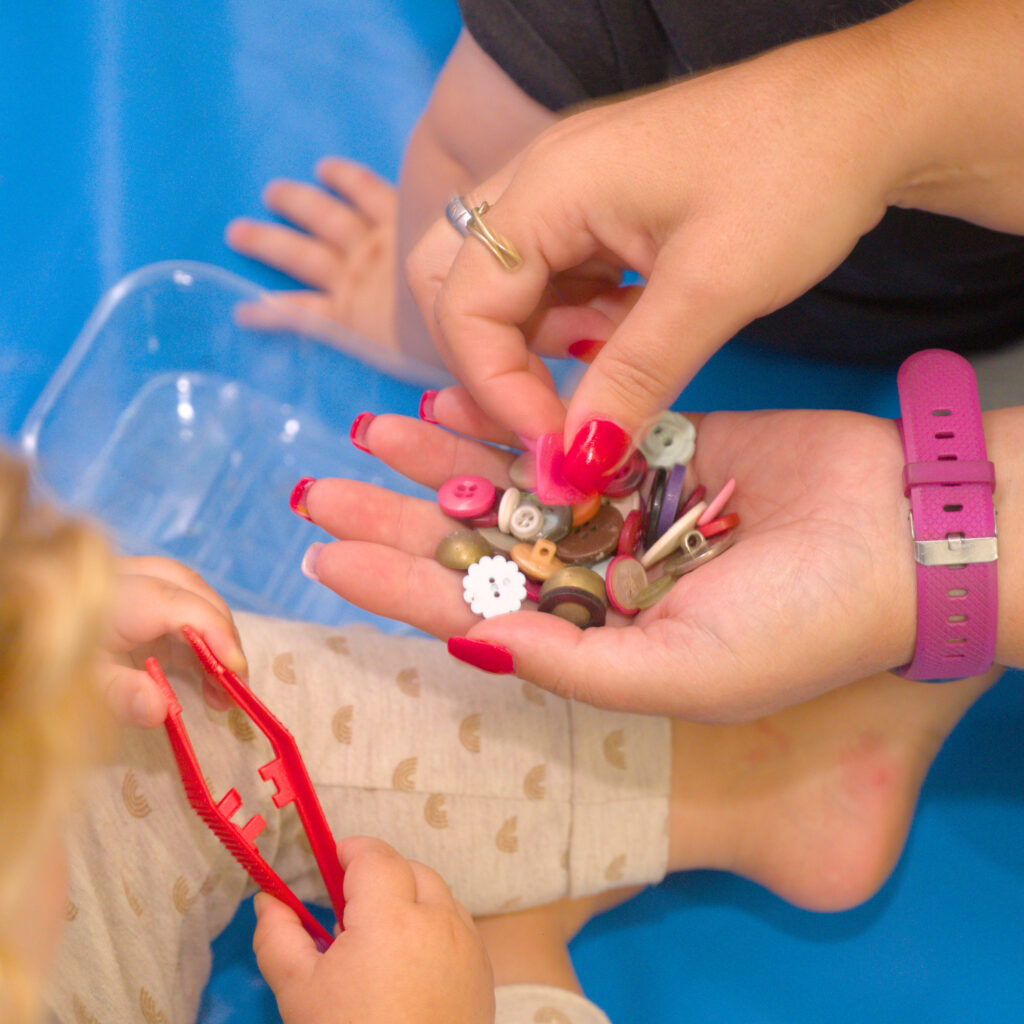
    Supporting learning in early childhood education is grounded in an understanding of children’s needs and the holistic nature of learning and development. Learning is supported through child-centred practices, holistic and play-based pedagogy, and differentiated teaching.
  • Pedagogical interaction in ECEC

  • Learning environments

    Learning environments in early childhood education are multidimensional systems that shape children’s experiences, participation, and development. They consist of interrelated physical, social, psychological, and technological dimensions that are shaped in interaction with the surrounding culture and have a direct link to early childhood pedagogy.
  • Additional Support for Children in ECEC Centres

    Children with disabilities and children who are vulnerable to exclusion especially should have their needs identified and addressed as early as possible. In practice, one of the most effective ways to do this is through inclusive early childhood education, which is based on values of equality, equity, appreciation of diversity, and non-discrimination.